
AI VOICE & CALL JOURNEYS
AI voice agents and phone support for businesses.
We design voice assistants that inform callers, capture initial requests and route them to your team. Phone-system compatibility, languages and conversation quality are tested in a pilot before activation.
Voice service with a natural flow
LIVE SYSTEM
- 01Listen
- 02Understand
- 03Respond
- 04Transfer
A phone interaction is live; errors and delays are immediately noticeable.
We begin with a small set of real journeys, document edge cases and design a smooth transfer. Voice, languages, numbers, latency and integrations are confirmed only through a technical pilot.
What should improve
- Structured first capture of a request
- Clear information and routing
- Fallback when the conversation does not progress
- Controlled transfer to a human operator
Preparing your phone service
- Call scenarios, required information and transfer rules
- Compatibility checks for your number, provider and applications
- Caller disclosure and agreed rules for handling data
- Test calls, failure checks and a support procedure
How we approach it
01
Journey design
Call purpose, identity, information and handover.
02
Technical pilot
Voice, telephony, latency, integrations and privacy controls.
03
Operational review
Test calls, exceptions, training and the launch decision.
The service is planned around your phone setup
Before handling real calls, we agree when the assistant answers, how callers are informed and when a person takes over. Provider connectivity, data retention and any need for call recording are also reviewed.
Verified related work
Custom Applications · SaaS Applications
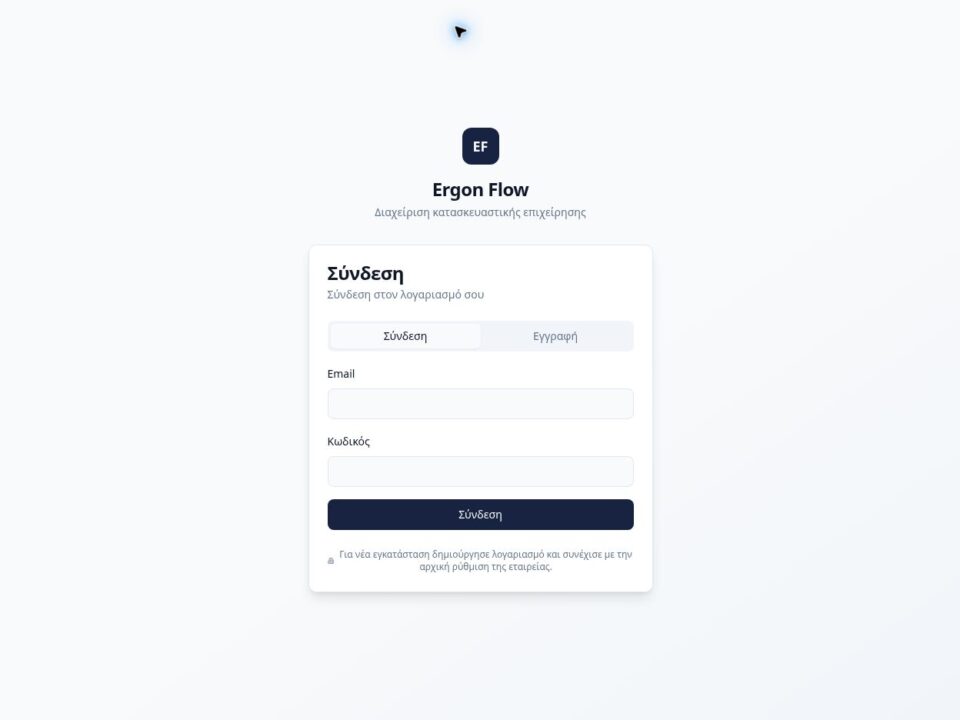
Ergon Flow — CRM, quotations and project management — In development
Project in development. Ergon Flow brings customers, quotations, projects and inventory together for materials and specialist…
Custom Applications · SaaS Applications
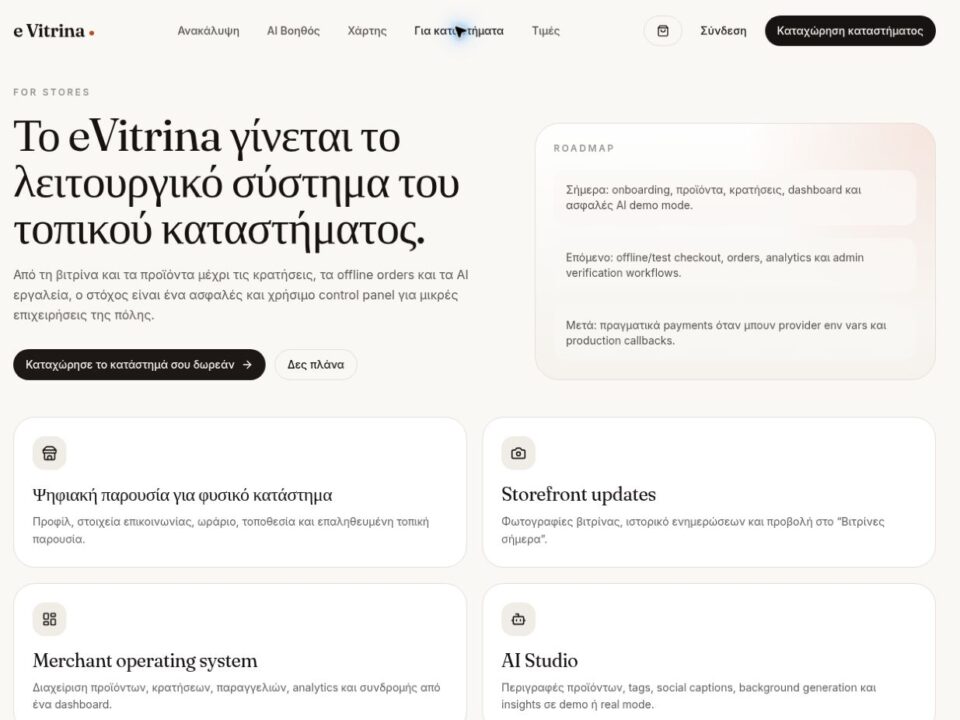
eVitrina — A digital platform for local retailers — In development
Project in development. eVitrina is an application for presenting a city’s physical shops and products online.…
Custom Applications · SaaS Applications
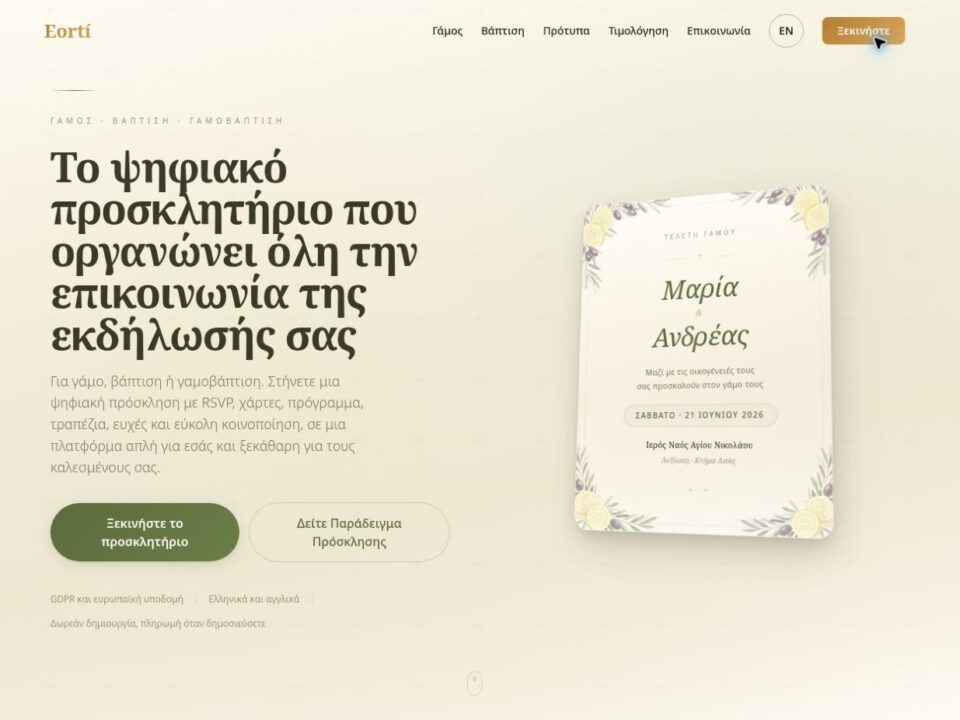
Eorti — Digital invitation platform
Eorti brings digital wedding and baptism invitations into one web platform. Users choose a design, personalise…
Before our first conversation
Describe your goal, the tasks that slow you down and the tools you currently use. If you already have a website or application, share its link.
Common questions
Can it handle all calls immediately?
Not as a general rule. We recommend a bounded pilot with a defined audience, hours, journeys and human fallback.
Are calls recorded?
That is not assumed. Recording requires a specific purpose, lawful basis, disclosure, retention policy and legal approval.
How is the experience evaluated?
Through real test scenarios, successful completion or handover, understanding, latency, failures and qualitative review.
Design a safe first voice journey.
Describe the call type, the information required and when your team should take over.